Replacing a windshield or repairing a spider crack is simple work on paper, but the dance between safety, insurance coverage, and shop quality is where drivers in Columbia either save money or watch it leak away. I’ve spent enough time on shop floors and with claims adjusters to know the pressure points: how to choose the right service, when to push for calibration, and how to avoid paying out of pocket for something your policy should cover. If you want to make the most of insurance auto glass repair Columbia drivers rely on, start by understanding the structure behind the glass.
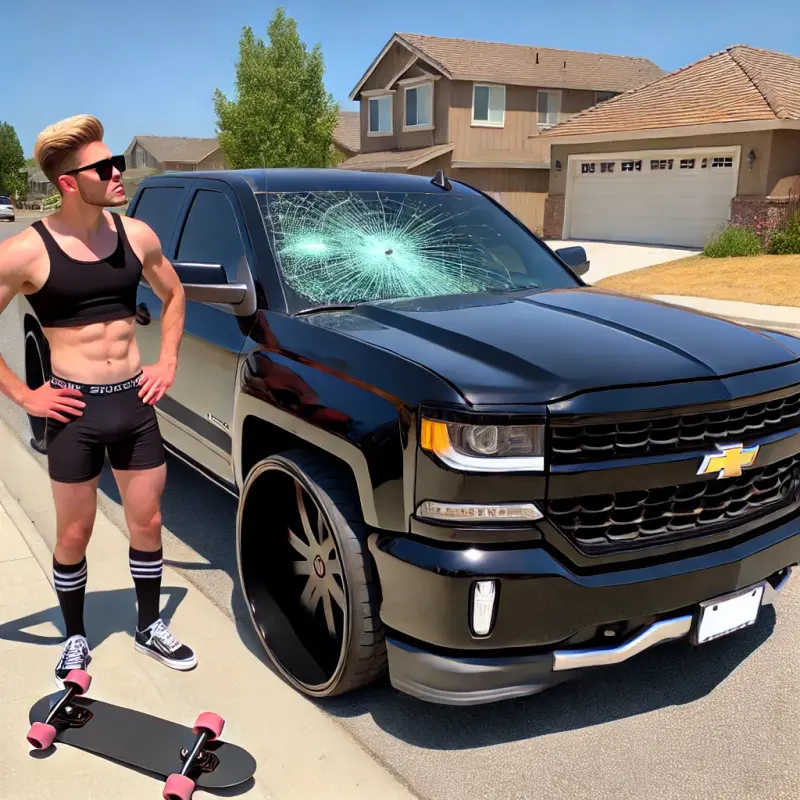
Why glass damage isn’t “just cosmetic”
Modern windshields do more than keep bugs out of your teeth. On most vehicles built in the last decade, the glass is bonded to the frame, which contributes to cabin rigidity and proper airbag deployment. A compromised windshield can fail in a rollover. Even a small chip can spread with a cold snap on I‑26 or after a week baking in a downtown parking lot. Add driver assistance cameras into the mix and that clean pane of glass becomes a sensor mount that influences lane keep assist, adaptive cruise control, and emergency braking.
Columbia’s weather patterns don’t help. Freeze‑thaw cycles in early spring, heat spikes in July, and sudden thunderstorms, all common here, tend to turn rock chips into wandering cracks. The longer you wait, the less chance you’ll have of a simple, covered repair like windshield chip repair Columbia shops can typically complete in under 30 minutes.
What insurance usually covers, and where people get tripped up
Policies vary widely in South Carolina, but the general rule is straightforward. Comprehensive coverage is the line item that pays for glass damage caused by road debris, hail, theft, or falling objects. Liability won’t help you here. Many comprehensive policies in our area include full glass coverage with no deductible. Others apply your standard comprehensive deductible unless your insurer authorizes a repair instead of a replacement.
Insurers prefer repair over replacement because it costs less, and yes, that bias can work in your favor. If a crack is under 6 inches and not in the driver’s primary view, most carriers sign off on resin repair without applying a deductible. If the damage sits in the sightline or touches the edge of the windshield, reputable shops know replacement is the safer call. When the claim involves a camera‑equipped windshield, the shop should add windshield calibration Columbia insurers recognize as required, not optional.
Here’s one example that repeats itself: a customer with a 2020 Honda Accord rolls into a shop for windshield replacement Columbia residents often need after a storm. Honda specifies a dynamic and sometimes static calibration after glass replacement. If the shop skips it to keep the invoice low, you drive away with lane departure warnings that trigger late or not at all. Insurers pay for calibration when it’s documented and justified. If your estimate doesn’t show calibration, that’s a red flag. Ask the service writer to cite the OEM procedure or a credible database like I‑CAR or ALLDATA. A good shop won’t flinch.
How to file a claim without losing the plot
There’s a rhythm to insurance auto glass repair Columbia drivers can follow to keep time and money on their side. Call your carrier or use the mobile app to file the claim, but don’t commit to a shop until you verify a few things. Insurers maintain preferred networks, yet South Carolina law lets you choose your repair facility. A direct‑bill shop saves you hassle, but it’s your vehicle, your call. The best auto glass shop in Columbia for your situation is the one that marries proper procedures with insurer fluency. When you call, pay attention to how they talk about your car, not their pricing specials.
Note the policy number, claim number, and any stated deductibles, then confirm how the shop will handle payment. Direct billing means you hand over the keys and pick them up without tapping your card, aside from any deductible. If the shop expects you to pay upfront and get reimbursed, weigh that against your cash flow and the shop’s reputation. For many mainstream carriers, direct billing on same day auto glass Columbia jobs is normal practice.
Choosing the right shop in a crowded field
Different glass jobs demand different capabilities. Mobile auto glass repair Columbia residents love can handle most rock chip repairs and a good chunk of replacements in your driveway. But if your car relies on ADAS cameras, radar behind the windshield, or complicated HUD layers, expect the vehicle to visit a calibration bay with targets on stands or marked walls. Static calibration requires controlled space and level floors. A shop that claims it can calibrate every vehicle model in a parking lot is selling confidence, not accuracy.
When you evaluate the best auto glass shop in Columbia for you, judge them on process, not just price. The delta between a rock bottom quote and a fair one often comes down to glass quality, primer system, urethane brand and cure time, and calibration rigor. Ask whether they use OEM glass, OEM‑equivalent with the correct acoustic or solar coating, or the cheapest aftermarket pane. Not all aftermarket glass is suspect, but branding matters. A well‑known manufacturer like Pilkington, Saint‑Gobain Sekurit, or Guardian tends to meet optical clarity specs better than the nameless budget option that introduces distortion right where your eyes spend most of their time.
I remember Auto Glass Columbia a fleet client who rotated through three shops across Richland and Lexington counties. The cheapest vendor used no‑name glass that produced subtle lensing in the lower center zone. Drivers reported fatigue and headaches on long runs on I‑77. The fix was obvious once we swapped in higher quality glass. That doubled the glass line item, but claims passed without a fight because the insurer saw the safety reasoning and the OEM spec reference.
The small details that separate a safe install from a sloppy one
Windshield replacement is not just peel, stick, and hope. It’s surface prep, primer timing, bead height, and cure. An adhesive with a safe drive‑away time of one hour is not safe in 25 minutes on a humid August afternoon if the urethane demands a certain humidity band. A shop that rushes you out the door risks a glass shift during a sudden stop. If you hear “it’s fine to drive right away,” ask which urethane they used and what the documented safe drive‑away window is for your vehicle’s airbag configuration. Pros keep the product data sheet on hand.
Moldings and clips matter too. Many modern vehicles rely on single‑use cowl clips or A‑pillar retainers. Reusing brittle parts leads to wind noise and water leaks that show up three rainstorms later. A professional estimate line will list these consumables rather than hiding them. Insurers reimburse them when properly itemized. When you see a quote for windshield replacement Columbia drivers should expect to include these pieces, that’s a sign the shop knows the car, not just the glass.
Repair versus replace: how to decide without guessing
A good rule: repair small, non‑intrusive chips fast. Most shops can handle windshield chip repair Columbia insurers approve without an adjuster’s inspection. If the chip is smaller than a quarter and the crack under six inches, the resin process restores strength and often leaves only a faint blemish. Leave it a month, bake it in the Vista sun, run it through a sub‑freezing morning, and you risk an automatic replacement.
Once a crack reaches the edge, the structural role of the glass is compromised. At that point replacement is the safer call, and insurance will typically accept it with photos and VIN‑specific notes. If your car carries a forward‑facing camera, your estimate should pair replacement with windshield calibration Columbia technicians perform to bring ADAS features back within OEM tolerances.
Edge cases appear more than you might think. Heated windshields, acoustic laminate, heads‑up display notches, rain sensors, even VIN window cutout positions affect glass choice and price. A quick VIN decode minimizes ordering the wrong part, which otherwise turns your same day auto glass Columbia job into a two‑visit saga. Provide your shop with the VIN up front and ask them to confirm options like lane camera presence or HUD.
Side and rear glass: breakage, theft, and timing
Side windows and quarter glass shatter instead of crack because they’re tempered. Once tempered glass breaks, replacement is the only option. Car window replacement Columbia techs can usually complete in an hour or two, but the cleanup takes longer than the swap. A thorough vacuum and blowout prevents glass shards from surfacing months later. If you suffered a break‑in in Five Points, file the police report, then call your insurer. Comprehensive coverage typically applies with a deductible, and many carriers waive it for glass, including rear windshield replacement Columbia claims, depending on the policy.
Rear windshields, often with embedded defroster grids or antenna lines, are laminated on some vehicles and tempered on others. Tempered rear glass shatters into pellets, laminated rear glass cracks like a windshield. Your replacement needs to match the original build, whether that means grid connectors for heat, wiper mount holes, or integrated camera brackets for backing systems. Don’t be shy about asking whether the new glass keeps those features. The part catalog should spell it out.
Mobile service versus shop service, and the calibration question
Mobile auto glass repair Columbia drivers book on their lunch break is a lifesaver for routine chip repairs and many replacements. If your vehicle doesn’t need a static calibration, a skilled mobile tech can perform a dynamic calibration on certain makes by driving the vehicle with a calibration tool connected. However, a reliable calibration often demands a controlled environment. Toyota, Subaru, and others specify static target boards at precise distances, millimeter measurements, and level floors. A parking lot with a slight crown can skew the result.
Aim for mobile when the damage is minor, your schedule is tight, and the car’s tech is simple. Choose in‑shop when ADAS systems are involved or when weather could interfere with curing and calibration. A shop that offers both will steer you accordingly. If you feel pushed into mobile for a complex vehicle, pause and ask for their calibration method and pass/fail criteria.
Working smoothly with your insurer without losing control
Insurers try to control cost, and shops try to keep work flowing. Neither is the villain, but you are responsible for the outcome. You can accept a network recommendation and still insist on OEM‑specified procedures. If the adjuster pushes back on calibration, ask them to put their refusal in writing. Most won’t, because it exposes them to liability. A calm question like, “Are you comfortable noting in the claim file that calibration won’t be performed on a 2021 RAV4 as per Toyota’s procedure?” often changes the tone.
If you prefer OEM glass, be ready to explain why. Some carriers will approve OEM when the vehicle is within its new car warranty, when ADAS perception requires specific optical qualities, or when the aftermarket equivalent is unavailable. On luxury models and certain trucks, OEM may be the only source for HUD clarity. Provide the TSB or OEM note if the shop can print it. Paper wins arguments.
What same‑day really looks like
Same day auto glass Columbia advertisements are not hype, but they are conditional. A typical day for a windshield swap goes like this. Morning drop‑off, glass removal, pinch weld prep, primer flash time, urethane applied, glass set with proper gap and bead height, moldings and cowl reinstalled, then cure time. On many urethanes, safe drive‑away is 60 to 120 minutes. Add calibration, which can take 45 to 120 minutes depending on make and lighting conditions. Call it three to four hours door to door if everything goes smoothly and the glass is on hand.
What derails same‑day promises? Back‑ordered glass for less common trims, misidentified options like acoustic layers, sudden storms that mess with curing, or a calibration target room already booked for two other vehicles. A shop that tells you upfront which of these risks apply is respecting your time.
Pricing, deductibles, and how to avoid surprise bills
A transparent estimate will list glass type, moldings or clips, urethane brand and safe drive‑away time, labor for R&R, scan fees, and calibration. If you see a suspiciously low headline number, look for what’s missing. Scan and calibration fees aren’t fluff. Post‑scan confirms there are no lingering ADAS or SRS codes after the job. Some insurers bundle scan fees into the labor matrix; others want them line‑itemed. Either way, they are part of a thorough repair on modern cars.
As for deductibles, if your policy includes zero‑deductible glass, a chip repair should cost you nothing and a windshield replacement should fall to zero as well. If your policy applies your comprehensive deductible, ask the shop whether the claim is trending toward repair or replacement before you green‑light anything. If a repair is viable, it usually avoids the deductible entirely. That one word can keep 250 to 500 dollars in your pocket.
Two quick checklists you can actually use
- Call your insurer, but keep shop choice open. Confirm whether you have comprehensive and whether glass is zero‑deductible. Note your claim number. When you contact a shop, provide VIN, describe damage location and size, and mention any ADAS features. Ask about OEM procedures, calibration capability, and glass brand. Verify whether service will be mobile or in‑shop and why. Confirm safe drive‑away time and whether same‑day is realistic for your vehicle. Request a written estimate with glass type, consumables, urethane, calibration, and scan fees. Ensure direct billing to your insurer unless you prefer reimbursement. On pickup, check for warning lights, test wipers and rain sensor, inspect moldings, and ask for calibration and scan reports. Choose mobile auto glass repair Columbia when the damage is a small chip or a straightforward replacement without static calibration needs. Choose in‑shop service when your vehicle has lane cameras, HUD, or complex trims that require precise static calibration and controlled curing. Push for windshield calibration Columbia documentation whenever the OEM calls for it after glass replacement. Expect rear windshield replacement Columbia to include defroster or antenna reconnection and a thorough vacuum of the trunk and rear deck. For car window replacement Columbia after a break‑in, secure the vehicle, file a police report for the claim, and ask about temporary safe‑storage solutions while parts arrive.
Small stories from the shop floor
A delivery driver with a high‑mileage Camry came in with a half‑inch bullseye chip dead center and a tight schedule. His insurer approved repair, zero out of pocket. We cleaned and filled it by 9:30 a.m. He left happy. Two months later he returned, this time with a crack from the edge after a new chip. Replacement plus calibration brought the invoice north of 800 dollars. Insurance covered it, but he lost half a day and tips. The lesson: one repair can save you time, but parking distance behind gravel trucks on Two Notch Road might save you two claims.
Another case involved a 2022 Subaru Outback, notorious for demanding static calibration. The owner booked mobile through a national call center. The tech arrived, replaced the windshield in a driveway, attempted a dynamic calibration, and failed. The ADAS light stayed on. The car ended up towed to a shop with a target room, costing the insurer more and the owner a lost weekend. The proper call would have been an in‑shop appointment from the start. That’s not the customer’s fault, but it shows why asking about calibration ability before you schedule matters.
How Columbia’s driving realities shape your decision
Columbia mixes interstates with construction zones and tree‑lined neighborhoods. I‑26 and I‑20 throw constant gravel in certain stretches, while tailgate debris after Gamecock games adds surprise hazards. Pollen season dust, followed by sudden downpours, means wipers work overtime across micro‑scratched glass. If your windshield is pitted, you might not notice until dusk when oncoming headlights flare. Some insurers won’t cover “wear” like pitting, but severe pitting that impairs visibility can still justify replacement when documented correctly. A seasoned service advisor knows how to photograph and frame the safety risk without embellishment.
If you garage park in Shandon or park street‑side in the Vista, your risk profile changes. Garage parking slows crack spread by moderating temperature swings. Street parking raises theft and break‑in risk. Comprehensive coverage earns its keep either way, but your strategy for timing repairs differs. A garage parker can safely schedule a repair in two or three days without much spread risk. Curb parkers in August heat should fast‑track.
When to say yes to OEM glass
The OEM versus aftermarket debate gets heated, but here’s a measured view. If your vehicle uses a heads‑up display, acoustic glass, or a complex camera bracket, OEM often reduces the chance of ghosting, double images, or calibration drift. If your car is three to five years old and common, a premium aftermarket option from a reputable manufacturer can be just as good at a lower cost. The key is “premium” and the right part number for your trim.
Insurers sometimes push aftermarket by default. That isn’t inherently bad. Ask your shop to show you the part label and the spec sheet. If the aftermarket pane is a true equivalent with the same solar and acoustic properties, you can save money without compromise. If the equivalency is vague, ask your adjuster to authorize OEM and reference the features in play. Reasonable requests paired with clear documentation usually win.
Final thoughts that keep money in your pocket and safety on your side
You maximize coverage by making decisions that align with how insurers and automakers think. Small damage repaired quickly often costs nothing. Replacements tied to calibration should include proper documentation so the insurer pays for the full, correct procedure. Your leverage comes from asking specific questions: Which urethane, what safe drive‑away time, which glass manufacturer, which calibration method, and where is the OEM reference? Pair those with a shop that answers without hedging, and you get a safe, quiet cabin, ADAS that behaves, and a claim that closes without a surprise bill.
Auto glass work isn’t glamorous, but it carries real stakes. If you handle insurance auto glass repair Columbia with care, you’ll keep your costs predictable, your windshield solid, and your driver assistance systems honest. That’s the goal every time, whether it’s a quick windshield chip repair Columbia drivers can squeeze into lunch or a full windshield replacement Columbia families need before a holiday drive. Choose the right partner, ask the right questions, and let the process work for you.